design as a concrete strategy
embedding design into problem-solving and operations
Introduction
Venier Build Lab, strategic design isn’t just about aesthetics; it’s a powerful competitive tool that attracts buyers, creates value, and ensures projects remain profitable without exceeding budget.
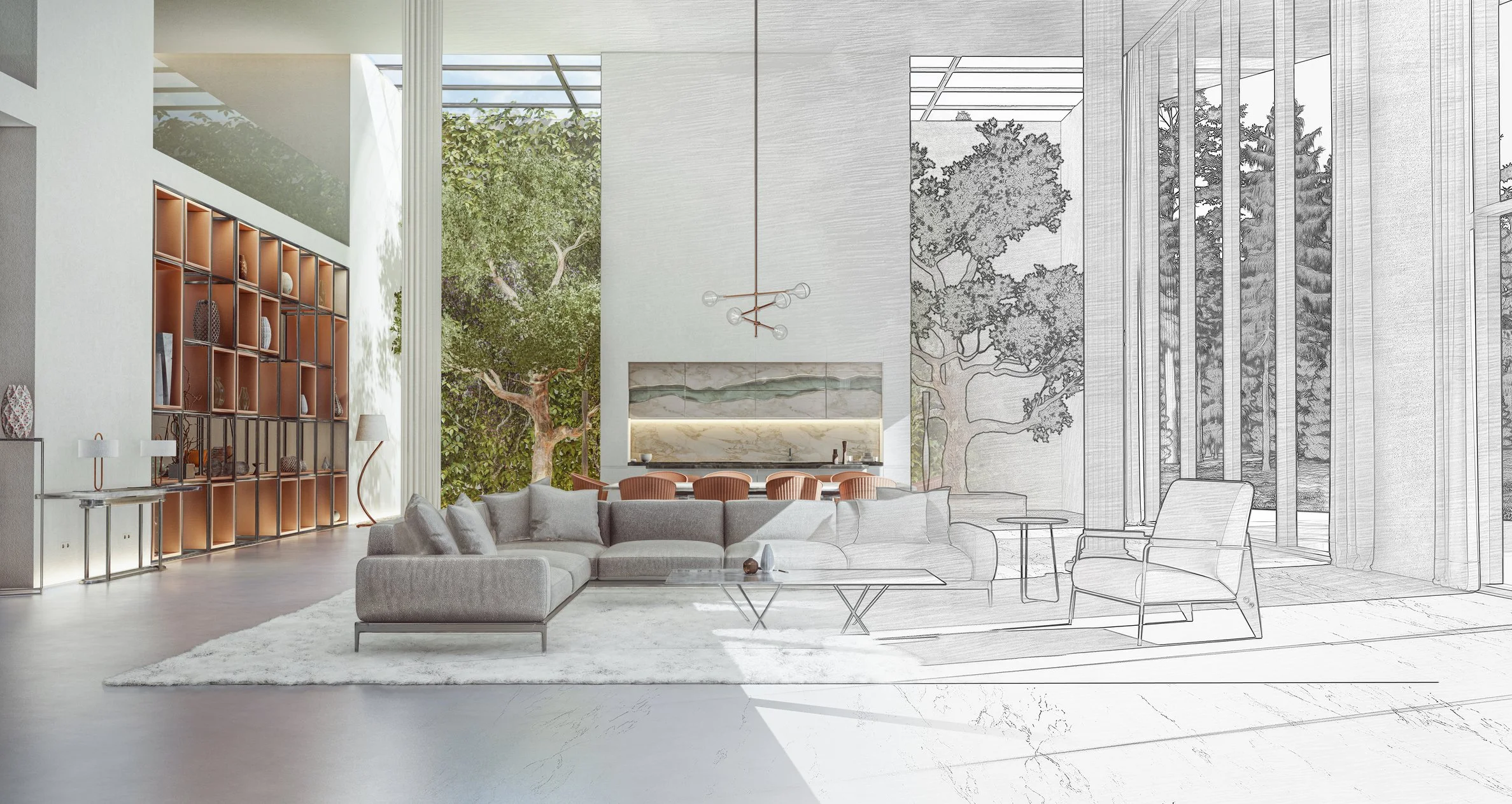
Why Strategic Design Matters
Design thinking transforms construction from a cost-driven process into a value-driven experience. By integrating creativity with efficiency, We are able to take a holistic approch to deliver homes that stand out in crowded markets, appeal to discerning buyers, and maintain financial discipline. In short: smart design sells.
Creativity Within Budget
Clients often assume that creativity means higher costs—but the opposite can be true.
Smart layouts make smaller homes feel expansive, reducing build costs while enhancing livability.
Material efficiency ensures durability and beauty without overspending.
Prefabricated solutions cut timelines and labor costs while offering customization.
These strategies prove that innovation and affordability can coexist.
Delivering Best-in-Class Solutions
Buyers are drawn to homes that feel future-ready. Strategic design delivers:
Multi-functional spaces that adapt to changing family needs.
Energy-conscious features that lower utility bills and boost resale value.
Sustainable practices that align with modern lifestyles and environmental responsibility.
Each of these elements adds tangible value, making homes more appealing and marketable.
Standing Out in a Competitive Market
In neighborhoods filled with similar builds, differentiation is key.
Architectural identity creates curb appeal that buyers remember.
Community integration connects homes to local culture and environment.
Smart-home technology adds convenience and modern sophistication.
These touches elevate projects from standard builds to sought-after investments.
Real-World Impact
Imagine a development where modular construction reduced costs by 20%, yet bold facades and sustainable features made each home unique. Buyers saw value not only in affordability but in design that reflected their lifestyle. Another example: a compact urban home with multi-functional spaces and passive solar orientation. Despite its modest footprint, it offered expansive usability and reduced energy bills—an irresistible combination for cost-conscious families.
Looking Ahead
The future of single-family homes lies in personalization, sustainability, and affordability. Firms that embrace strategic design will not only meet buyer expectations but exceed them, turning constraints into opportunities for innovation.
Conclusion
By balancing creativity with cost discipline, Venier can deliver homes that inspire, perform, and sell. Strategic design transforms single-family homes into competitive assets—proof that the best solutions emerge when creativity meets constraint.

Renovating for Luxury: Transforming Your Home into a Lifestyle Investment
It all begins with an idea.
When homeowners think about upgrading their property, the first instinct is often to focus on surface changes: a new floor, fresh paint, or updated fixtures. While these improvements can refresh a space, they rarely capture the essence of true luxury. Affluent buyers and discerning homeowners increasingly recognize that luxury is not about isolated upgrades, but about holistic renovation — a thoughtful transformation that aligns the home with its surroundings, lifestyle, and long‑term value.
Beyond Cosmetic Upgrades: The Case for Holistic Renovation
Interior designer Kelly Wearstler often emphasizes that luxury is about creating an immersive experience, not just adding expensive finishes. A new hardwood floor may look beautiful, but if the layout, lighting, and flow of the home remain outdated, the result feels incomplete. Holistic renovation considers the entire environment: architecture, design flow, materials, and amenities.
By approaching renovation as a cohesive project, homeowners can ensure that every element works together to elevate both daily living and resale potential. This means thinking about how spaces connect, how natural light is used, and how design choices reflect the lifestyle of the neighborhood and region.
Aligning Luxury with Lifestyle and Location
Luxury is contextual. A home in Austin’s vibrant cultural districts may call for open‑concept living spaces that encourage entertaining, while a property in a serene suburban enclave might benefit from spa‑like retreats and expansive outdoor living. Designer Nate Berkus has noted that the most successful renovations are those that “tell the story of the homeowner’s life and environment.”
Aligning renovation with lifestyle means asking:
Does the home support wellness and relaxation?
Does it encourage social connection and hospitality?
Does it reflect the architectural character of the area?
For example, in coastal regions, luxury renovations often highlight indoor‑outdoor transitions, with expansive decks and floor‑to‑ceiling windows. In urban settings, smart technology and multifunctional spaces may take precedence.
Key Elements of a Luxury Renovation
1. Architectural Flow
Luxury homes feel effortless. Renovations should prioritize open layouts, seamless transitions between rooms, and spaces that balance intimacy with grandeur. Removing walls to create expansive living areas or reconfiguring spaces for better functionality often yields more impact than cosmetic upgrades alone.
2. Premium Materials and Finishes
High‑end materials — marble, quartzite, reclaimed wood, artisanal tile — elevate the tactile and visual experience of a home. These finishes not only impress buyers but also stand the test of time, reinforcing long‑term value.
3. Smart Home Integration
Luxury today is synonymous with convenience. Automated lighting, climate control, and security systems create a modern, intuitive living environment. These features appeal to buyers who expect technology to enhance comfort and efficiency.
4. Wellness‑Focused Spaces
From meditation rooms to spa‑inspired bathrooms, wellness is a defining trend in luxury real estate. Renovations that incorporate air purification, natural light, and biophilic design elements resonate with buyers seeking homes that nurture both body and mind.
5. Outdoor Living
Luxury extends beyond the walls. Infinity pools, outdoor kitchens, and curated landscaping transform backyards into private resorts. These amenities not only enrich daily life but also significantly boost resale appeal.

Investment Value: Renovation vs. Replacement
It all begins with an idea.
Real estate experts consistently note that holistic renovations yield stronger returns than piecemeal upgrades. A new floor may add temporary appeal, but it rarely shifts the market perception of a property. By contrast, a comprehensive renovation can reposition a home within the luxury segment, attracting a higher caliber of buyer and commanding premium pricing.
Architectural Digest has highlighted projects where homeowners invested in full‑scale renovations — reimagining kitchens, bathrooms, and outdoor spaces — and saw resale values increase by 20–30%. These returns far outpace the incremental gains from isolated improvements.
Moreover, holistic renovation enhances the homeowner’s lifestyle immediately. Instead of waiting for resale to realize value, owners enjoy the benefits of luxury living every day: entertaining in a chef’s kitchen, unwinding in a spa bathroom, or hosting gatherings in a resort‑style backyard.
Sustainability and Modern Luxury
Today’s affluent buyers are increasingly eco‑conscious. Renovations that incorporate sustainable materials, energy‑efficient systems, and water conservation not only reduce environmental impact but also align with modern definitions of luxury. Designer Ilse Crawford has argued that “luxury is comfort that lasts,” and sustainability ensures that comfort endures for generations.
Solar panels, smart irrigation, and reclaimed materials are no longer niche features — they are expected in high‑end properties. By integrating these elements, homeowners position their property as forward‑thinking and future‑proof.
Practical Insights for Homeowners
For those considering a luxury renovation, here are actionable steps:
Consult with Venier Build Lab who specialize in holistic projects rather than piecemeal upgrades.
Prioritize flow and functionality before finishes — a beautiful material cannot compensate for poor layout.
Invest in timeless features like chef’s kitchens and spa bathrooms, which consistently drive buyer demand.
Balance personalization with resale appeal — tailor spaces to your lifestyle, but avoid overly niche designs that may limit future buyers.
Think long‑term — sustainability and smart technology are investments that pay dividends in both lifestyle and resale.
Conclusion: Luxury as Lifestyle and Investment
Renovating an existing home to create a luxury experience is more than an aesthetic choice; it is a strategic investment. By embracing holistic design, aligning with lifestyle and location, and integrating modern trends, homeowners can transform their property into a sanctuary that enriches daily living and commands premium resale value.
Luxury is not about extravagance for its own sake. It is about creating a home that feels effortless, timeless, and deeply connected to the life you want to live. For homeowners ready to elevate their space, holistic renovation offers the rare opportunity to enjoy the best of both worlds: a richer lifestyle today and a stronger investment tomorrow.

Blog Post Title Four
It all begins with an idea.
It all begins with an idea. Maybe you want to launch a business. Maybe you want to turn a hobby into something more. Or maybe you have a creative project to share with the world. Whatever it is, the way you tell your story online can make all the difference.
Don’t worry about sounding professional. Sound like you. There are over 1.5 billion websites out there, but your story is what’s going to separate this one from the rest. If you read the words back and don’t hear your own voice in your head, that’s a good sign you still have more work to do.
Be clear, be confident and don’t overthink it. The beauty of your story is that it’s going to continue to evolve and your site can evolve with it. Your goal should be to make it feel right for right now. Later will take care of itself. It always does.