design as a concrete strategy
Introduction
Venier Build Lab, strategic design isn’t just about aesthetics; it’s a powerful competitive tool that attracts buyers, creates value, and ensures projects remain profitable without exceeding budget.
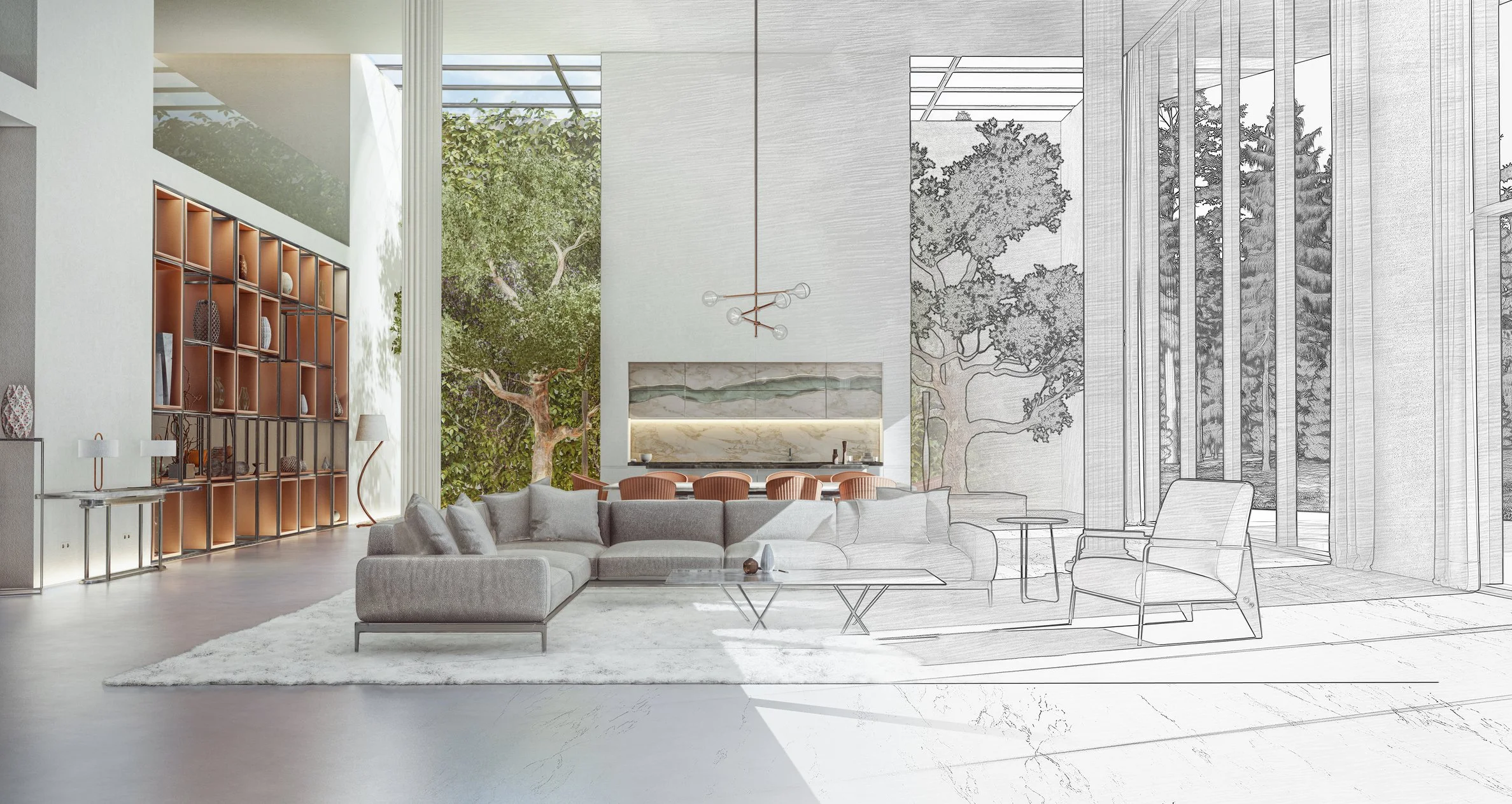
Why Strategic Design Matters
Design thinking transforms construction from a cost-driven process into a value-driven experience. By integrating creativity with efficiency, We are able to take a holistic approch to deliver homes that stand out in crowded markets, appeal to discerning buyers, and maintain financial discipline. In short: smart design sells.
Creativity Within Budget
Clients often assume that creativity means higher costs—but the opposite can be true.
Smart layouts make smaller homes feel expansive, reducing build costs while enhancing livability.
Material efficiency ensures durability and beauty without overspending.
Prefabricated solutions cut timelines and labor costs while offering customization.
These strategies prove that innovation and affordability can coexist.
Delivering Best-in-Class Solutions
Buyers are drawn to homes that feel future-ready. Strategic design delivers:
Multi-functional spaces that adapt to changing family needs.
Energy-conscious features that lower utility bills and boost resale value.
Sustainable practices that align with modern lifestyles and environmental responsibility.
Each of these elements adds tangible value, making homes more appealing and marketable.
Standing Out in a Competitive Market
In neighborhoods filled with similar builds, differentiation is key.
Architectural identity creates curb appeal that buyers remember.
Community integration connects homes to local culture and environment.
Smart-home technology adds convenience and modern sophistication.
These touches elevate projects from standard builds to sought-after investments.
Real-World Impact
Imagine a development where modular construction reduced costs by 20%, yet bold facades and sustainable features made each home unique. Buyers saw value not only in affordability but in design that reflected their lifestyle. Another example: a compact urban home with multi-functional spaces and passive solar orientation. Despite its modest footprint, it offered expansive usability and reduced energy bills—an irresistible combination for cost-conscious families.
Looking Ahead
The future of single-family homes lies in personalization, sustainability, and affordability. Firms that embrace strategic design will not only meet buyer expectations but exceed them, turning constraints into opportunities for innovation.
Conclusion
By balancing creativity with cost discipline, Venier can deliver homes that inspire, perform, and sell. Strategic design transforms single-family homes into competitive assets—proof that the best solutions emerge when creativity meets constraint.